


Terroir
Kakheti

Built for
viticulture
landscape
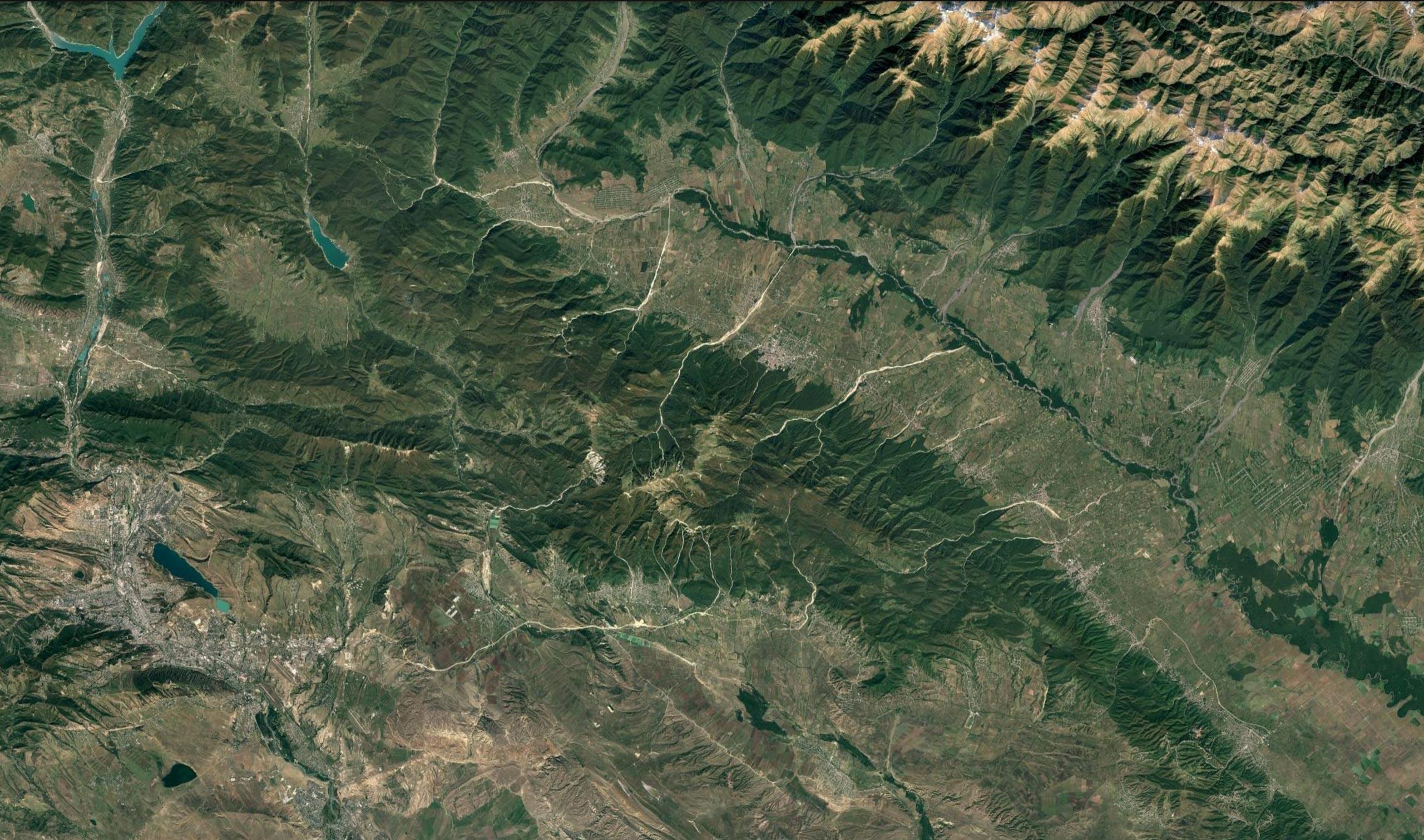
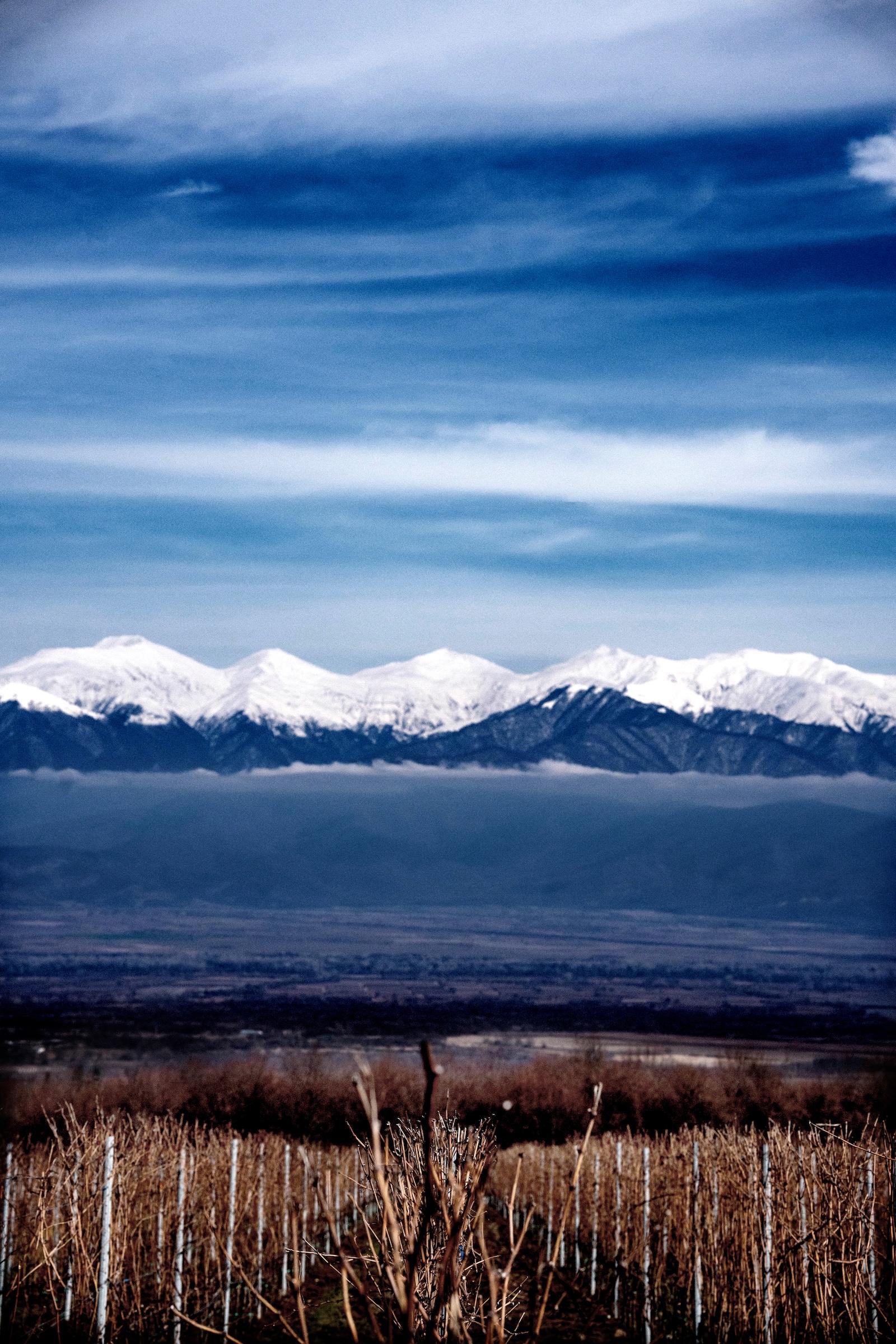
Kakheti is defined by mountains, river systems, and varied elevations. The majestic Caucasus moderates temperature and slows ripening, while rivers flowing toward the Black and Caspian seas carry water and rich alluvial deposits through the valley floor.
Within a single vineyard, the land can change quickly. Limestone gives way to clay. Elevation rises. Exposure shifts. These differences shape structure, freshness, tannin, and aromatic profile within the wine itself.
A living
wine culture
Heritage
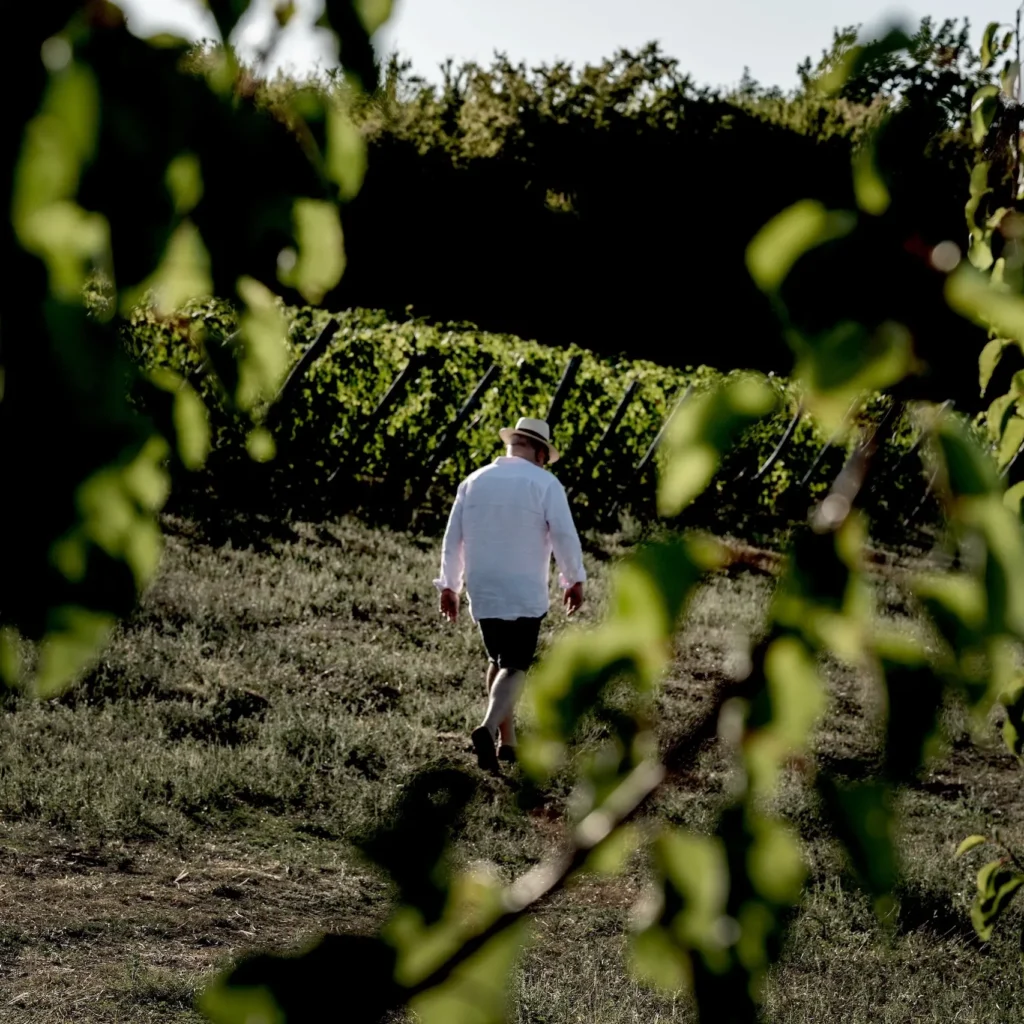
Wine is deeply embedded in Kakheti through agriculture, hospitality, and the continued cultivation of indigenous grape varieties.
Vineyards are still actively worked across the same landscape that shaped Georgian winemaking over centuries, with knowledge carried forward through farming, harvest, and the making of wine itself.
Kakheti Winemaking Region
Interactive Map
A dynamic
ecosystem
Biodiversity
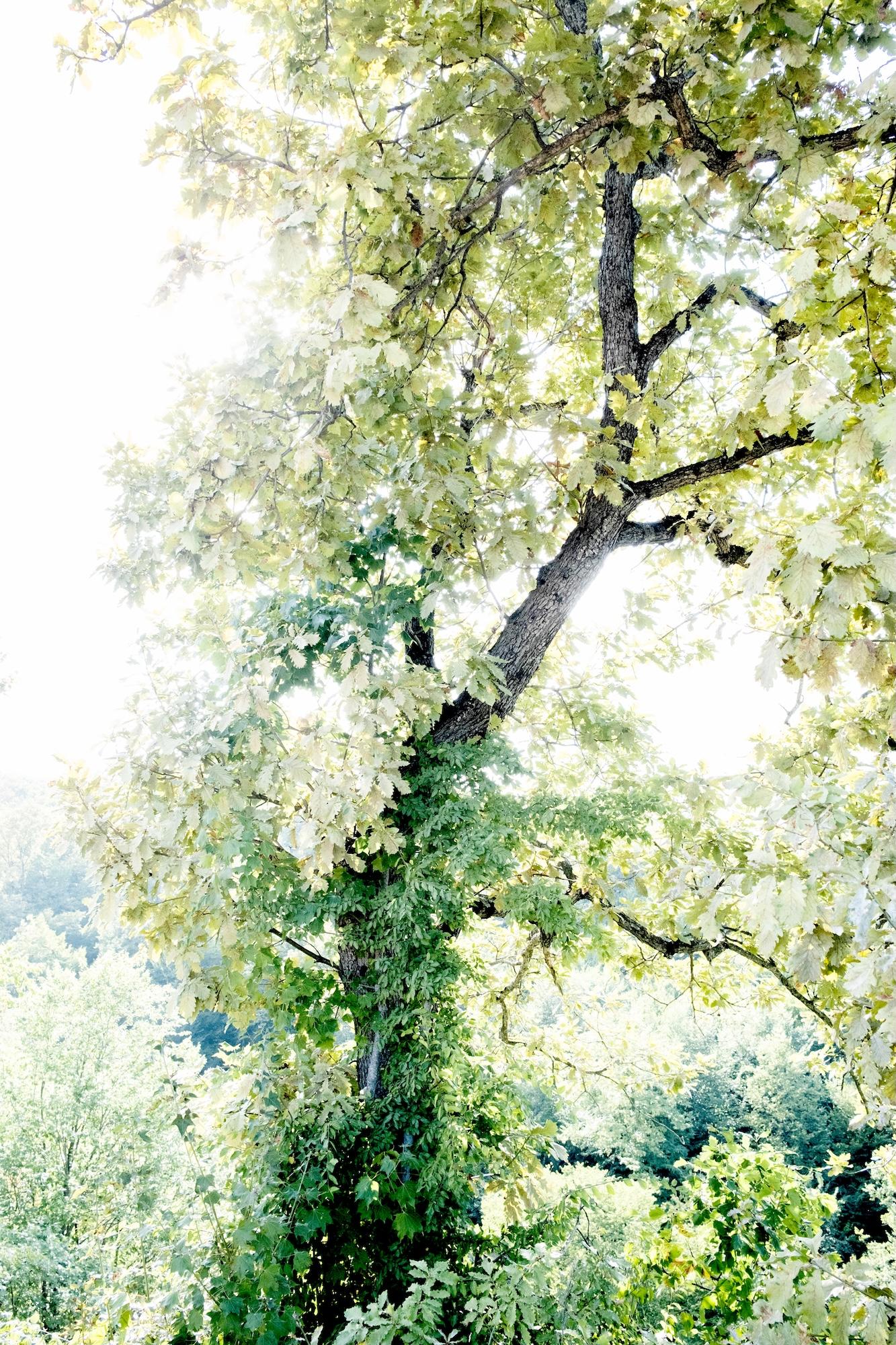
Large parts of Kakheti remain relatively undeveloped, allowing native plant and animal life to continue alongside active vineyard land.
Gilauri is also working with regional authorities to establish a conservation area surrounding parts of the estate, helping protect native forest, indigenous tree species such as Zelkova carpinifolia, and the broader ecosystem connected to the vineyards.
This biodiversity contributes to the long-term health and balance of the growing environment surrounding the vines.
Cultivars
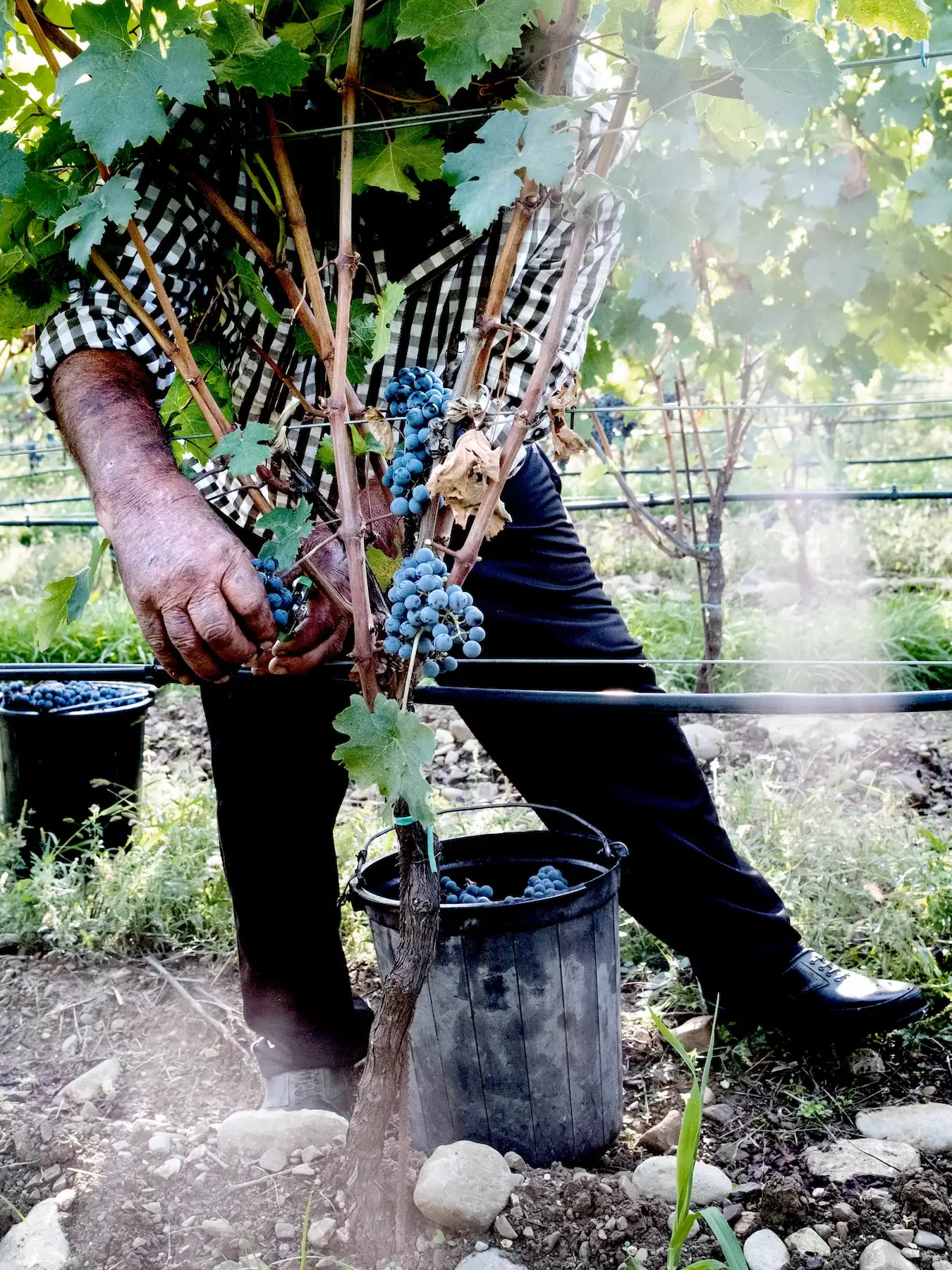
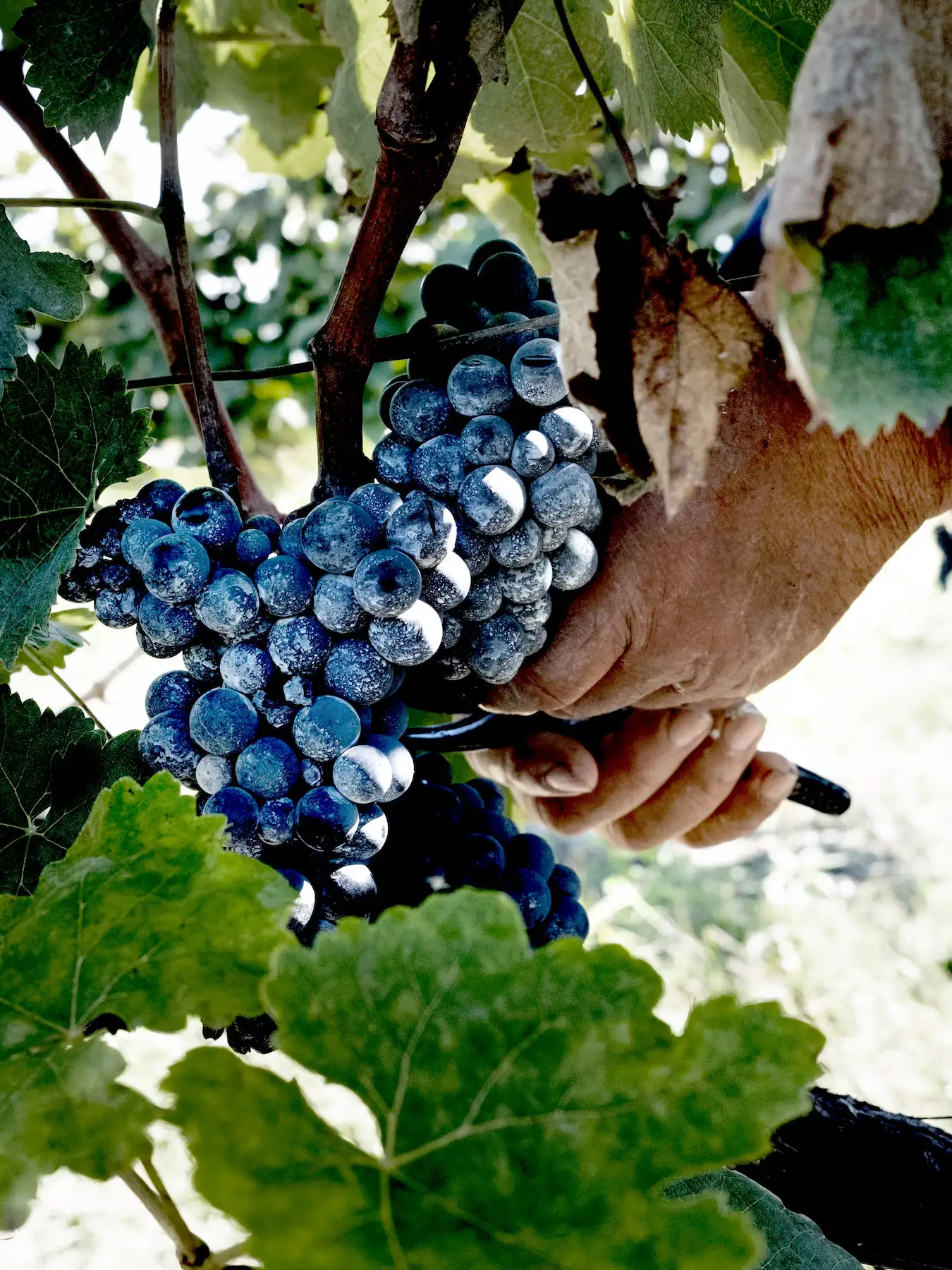
Saperavi is the foundation of the project. It was selected for its ability to express site clearly while maintaining structure and acidity over time.
A teinturier variety, Saperavi carries color in both skin and flesh, contributing depth, tannin, and longevity. Its long history of cultivation in Kakheti offers multiple clones and material to work with.
Indigenous
varieties,
managed
precisely
Five sites,
distinct roles
Vineyards
We work across five vineyards in Telavi, Kindzmarauli, Akhasheni, Tsinandali, and the Gombori Mountain range, spanning river valleys, limestone hillsides, and higher-elevation mountain vineyards.
Together, the sites range from older Saperavi vineyards in Kindzmarauli and Akhasheni to newer high-altitude plantings of Georgian and international varieties in Gombori and Kisiskhevi. Elevation, soil composition, and vineyard age vary significantly across the estate, influencing how the fruit develops at each site.
The vineyards include river-influenced soils near the Duruji River, limestone and clay slopes in Papari and Kakhipari, and cooler mountain conditions in Gombori, where white varieties, Cabernet Franc, Merlot, Chardonnay, and ungrafted Saperavi are planted across multiple blocks.
Each site is farmed, harvested, and vinified separately, allowing their differences to remain visible through blending.
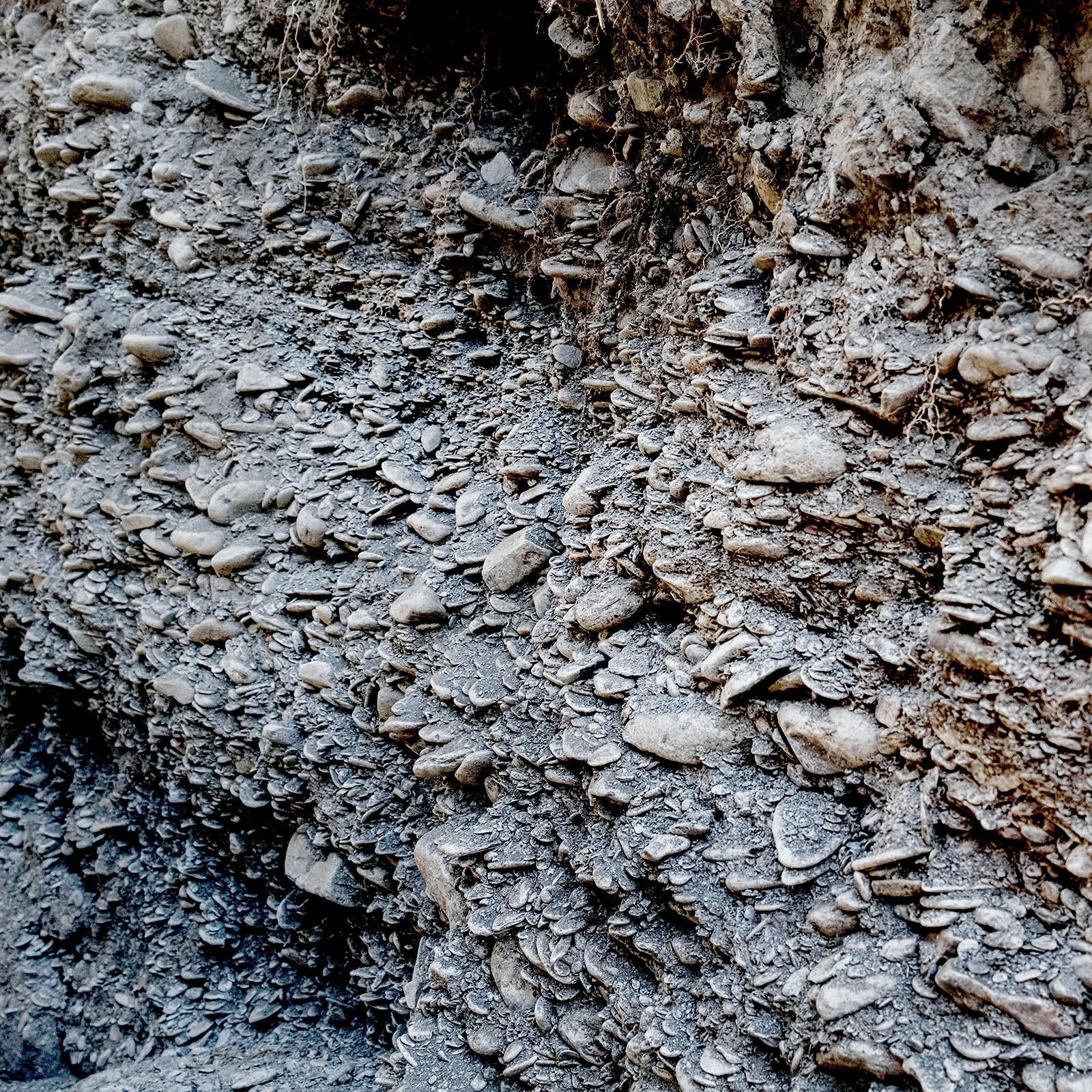
Located in Kindzmarauli near the Duruji River, this older Saperavi vineyard is planted across seven distinct blocks at roughly 360 meters (1,180 feet) in elevation. Throughout the growing season, melting snow provides consistent nourishment to the vines. River-influenced soils of sand, gravel, slate, and clay contribute structure, darker fruit, and mineral tension to the wines.
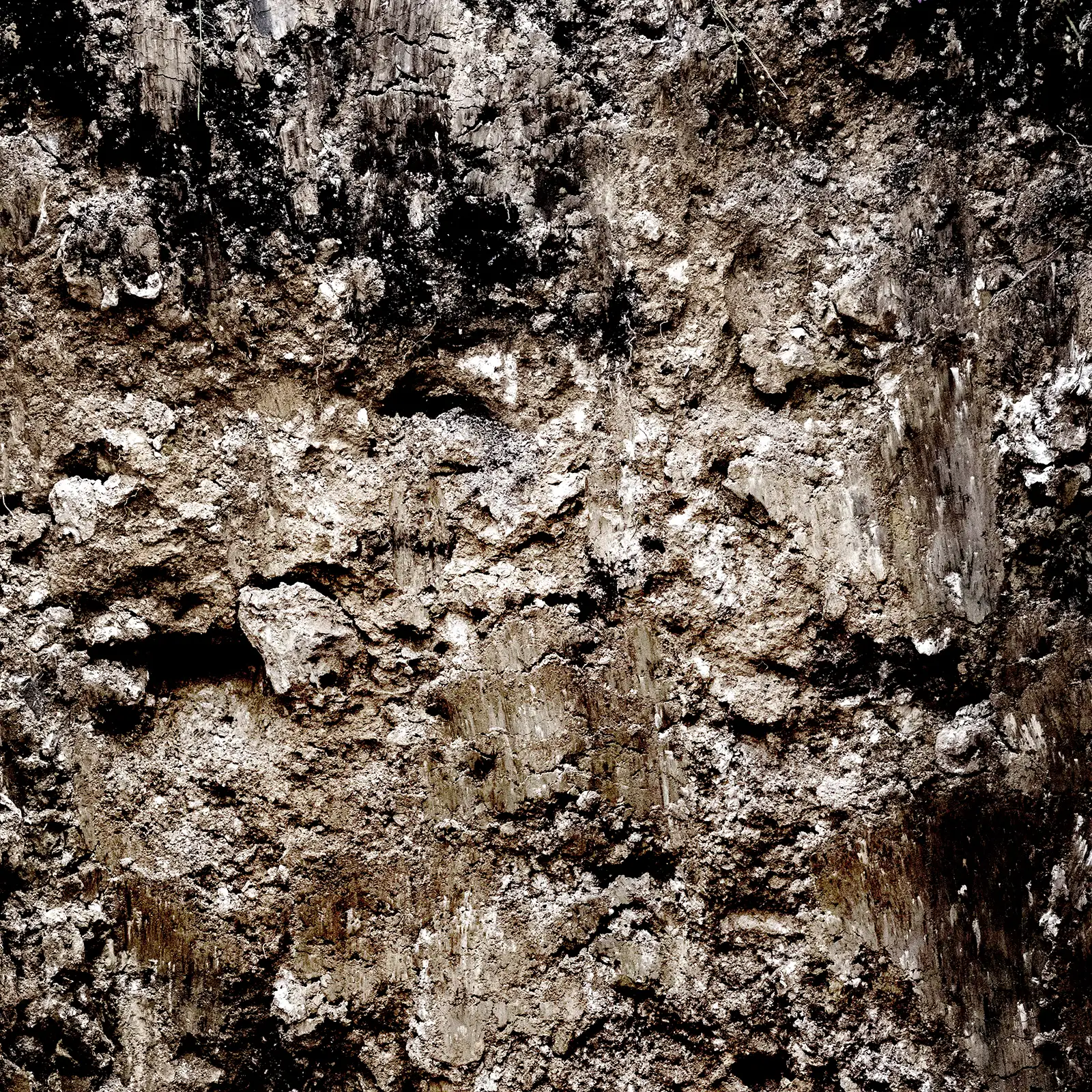
Planted on limestone and clay slopes in Akhasheni, the Papari vineyard ranges from roughly 430 to 565 meters (1,410–1,850 feet) in elevation across five blocks of Saperavi. The combination of altitude and limestone-rich soils brings freshness, line, and tannic structure to the fruit.
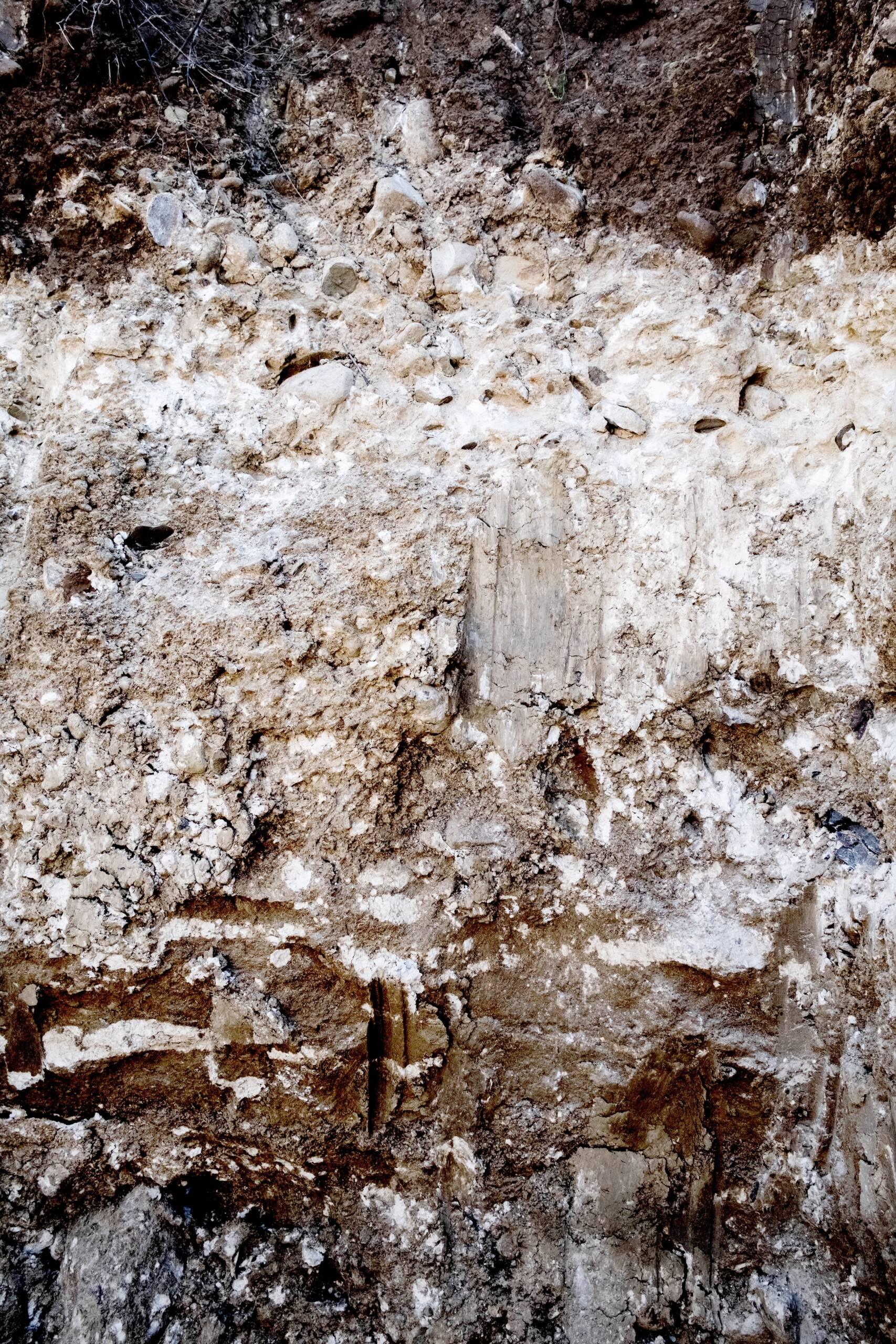
Situated between 650 and 750 meters (2,130–2,460 feet) in the Gombori range, this higher-elevation vineyard includes eleven distinct blocks planted to both Georgian and international varieties. Chalk, sandy lime, iron-rich soils, and cooler mountain conditions support slower ripening and a wide range of vineyard expressions, including ungrafted Saperavi.
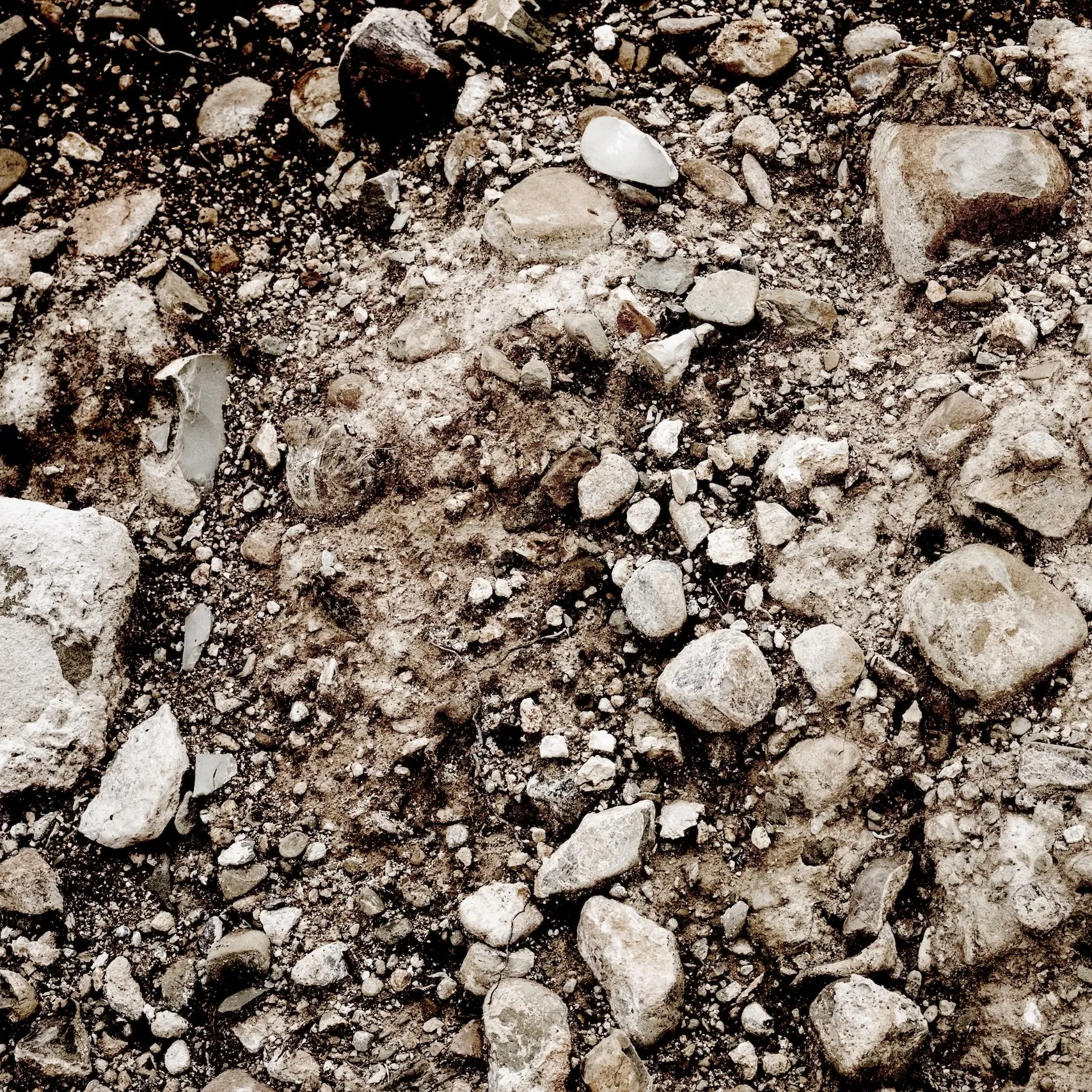
Surrounding the future winery estate in Mukuzani, Kakhipari is a hillside Saperavi vineyard planted on limestone and red clay soils between 590 and 620 meters (1,935–2,035 feet) in elevation. Higher-density planting and the site’s elevation contribute concentration, structure, and long-term aging potential.
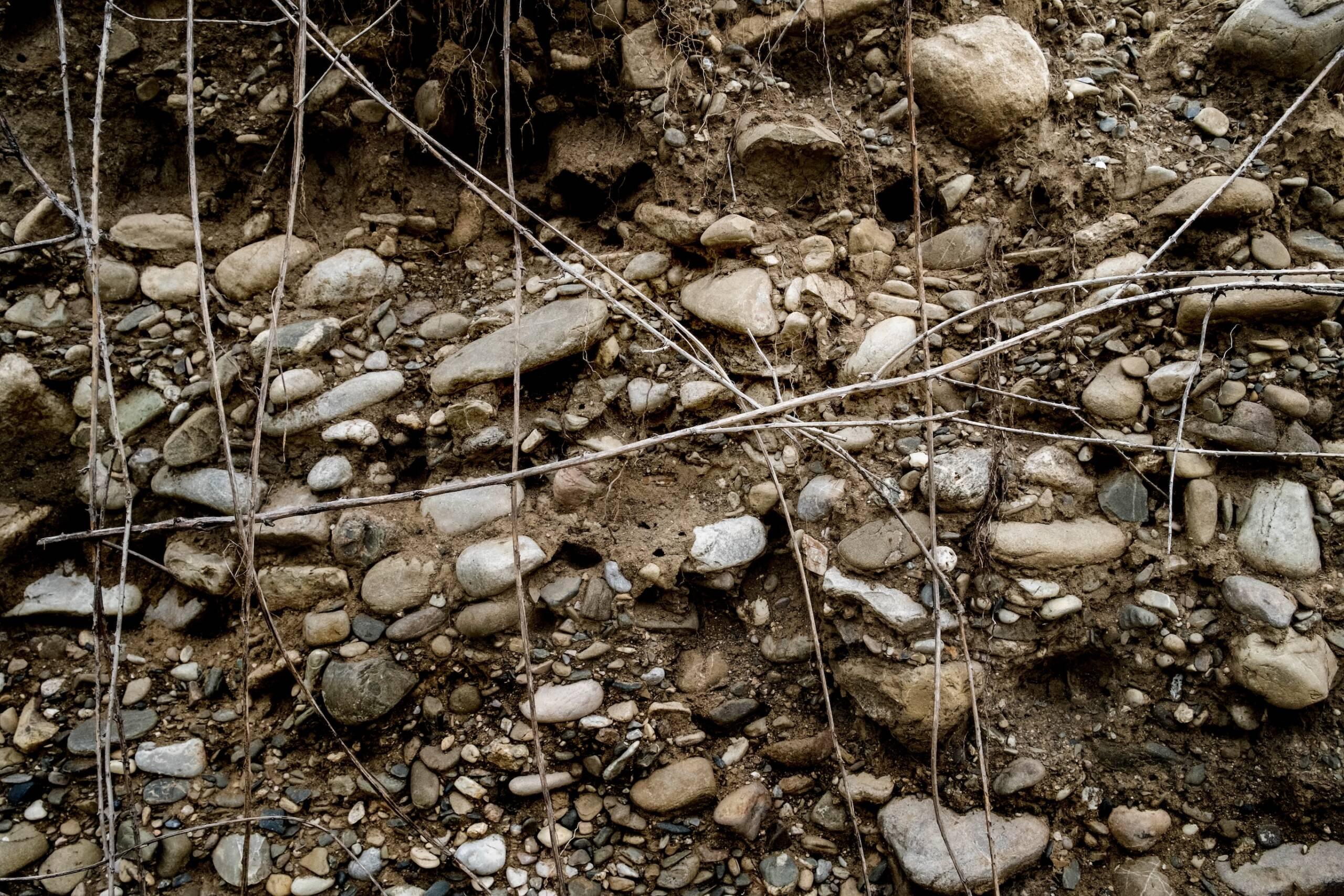
Located within the Tsinandali appellation, Kisiskhevi is planted across five blocks between 580 and 630 meters (1,900–2,070 feet) in elevation. River stones, clay, and sand create balanced growing conditions for Cabernet Sauvignon, Merlot, and Saperavi, bringing freshness and structure to the blends.